Chaos and How to Cope in an Uncertain World
We may no longer be living through global lockdowns, but uncertainty is still very much part of modern life.
Rising living costs, job changes, health concerns, world events, technology overload, and the constant stream of news can leave many people feeling unsettled. Even when things appear “normal” on the surface, the nervous system can remain on high alert.
You might notice that you:
· Worry about the future and financial security
· Feel anxious about work, business stability, or workload
· Feel overwhelmed by the pace of change
· Feel on edge about the health and safety of loved ones
· Feel unsettled by global events or constant media exposure
· Struggle to switch off mentally
· Feel tired, tense, or emotionally flat.
All of these are common responses to ongoing uncertainty.
The good news is that humans can learn to live well with uncertainty. When we become more flexible in our thinking and calmer in our bodies, we feel safer, clearer, and more in control.
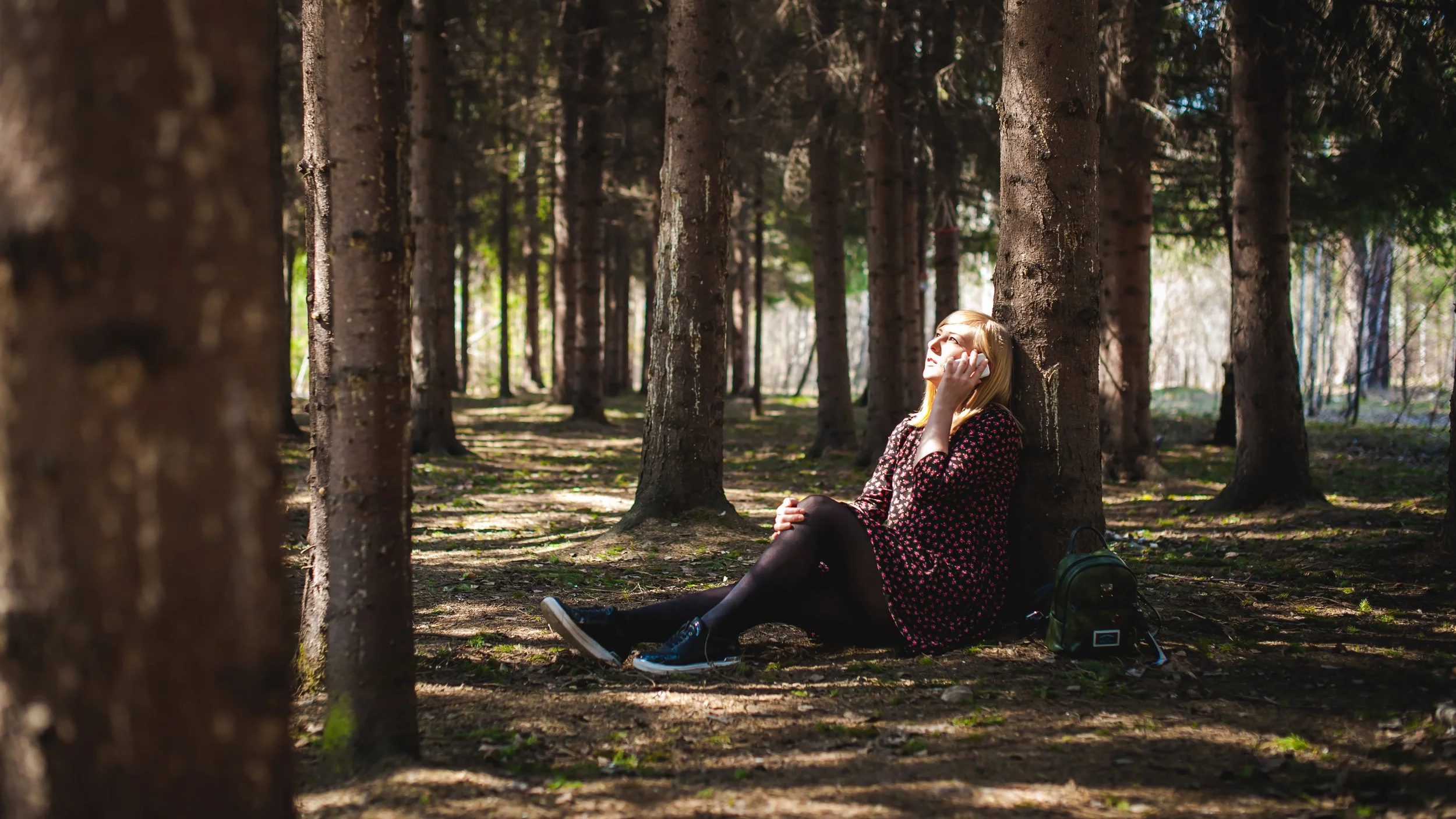
What is going to happen...?
A lot of ‘what ifs’!!
Why uncertainty creates so much stress
Research shows that not knowing what will happen often causes more stress than knowing something unpleasant is coming.
In a well-known study from University College London, people were more stressed when there was a 50 percent chance of receiving an electric shock than when they knew they would either definitely receive it or definitely not. The uncertainty itself triggered the strongest stress response.
In everyday life, this is similar to:
· Waiting for medical results
· Waiting to hear back after a job interview
· Not knowing if a relationship will work out
· Not knowing how a financial situation will unfold
· Waiting for news about flights, delays, or major decisions.
It is the “not knowing” that keeps the nervous system on edge.
The survival brain and perceived threat
When uncertainty rises, the brain often interprets it as danger. This activates the fight, flight or freeze response, even when there is no immediate physical threat.
You might notice:
· A racing heart
· Shallow breathing
· Tight shoulders or jaw
· Restlessness
· Nausea or butterflies
· Difficulty concentrating
· A sense of urgency or panic.
This is not weakness. It is biology.
In primitive times, this response kept us alive when facing predators. Today, the same system reacts to emails, deadlines, finances, health worries, and imagined future scenarios.
The brain does not easily distinguish between a real threat and a perceived one. When imagination runs ahead of reality, the body reacts as if danger is already here.
Real threat versus perceived threat
A real threat involves immediate danger, such as an accident, violence, or serious medical emergency.
A perceived threat is created by the mind, such as:
“What if I lose my job?”
“What if something goes wrong?”
“What if I cannot cope?”
“What if this never gets better?”
The body responds the same way to both unless we learn how to calm it.
The ripple effect of an anxious mind
There is a simple story that explains this beautifully.
A wise monk once sat beside a still pond. When the water was calm, he could see his reflection clearly. When a stone disturbed the surface, the image became distorted. Once the ripples settled, clarity returned.
Our minds work the same way. When we are calm, we see situations more accurately. When anxiety and stress create mental ripples, our perception becomes distorted. We overestimate danger and underestimate our ability to cope.
Learning to step back
One of the most powerful skills in managing uncertainty is learning to mentally step back from your thoughts and feelings instead of being swept away by them.
This is called dissociation in a healthy sense. It simply means observing rather than reacting.
A very effective way to do this is through slow, calming breathing.
A simple breathing technique to calm the nervous system
Try this for two to three minutes.
Breathe in through your nose for seven seconds.
Breathe out slowly through your mouth for eleven seconds.
If this feels too long, use a four second inhale and an eight second exhale.
Longer out breaths tell the nervous system that it is safe to relax.
As your breathing slows, your heart rate settles, your muscles soften, and your thoughts become clearer.
From this calmer state, you can respond rather than react.
Becoming comfortable with not knowing
We cannot control everything, but we can control how we meet uncertainty.
When the mind is calm:
• Perspective returns
• Problems feel more manageable
• Solutions become easier to see
• Worry loses its grip
• The present moment feels safer
With practice, you can train your nervous system to tolerate uncertainty without spiralling into fear.
This is not about ignoring problems. It is about meeting them with a steady mind and a regulated body.
Life will always contain unknowns. The goal is not to eliminate uncertainty, but to build resilience, calm, and emotional flexibility so that uncertainty no longer runs your life.
When you learn how to settle your nervous system and step out of future based fear, you regain your sense of control, clarity, and peace.
If you would like support in learning how to calm anxiety, manage stress, and feel more grounded in uncertain times, I invite you to book a free consultation.
You deserve to feel calm, capable, and confident, even when life feels unpredictable.
Contact me for a Free Consultation - CLICK HERE
To help you with mood-boosting and relaxation, download it below.
