
When the World Feels Unsafe: Understanding Trauma and Finding Calm During Natural Disasters
It is estimated that around 7 out of every 100 people will experience Post Traumatic Stress Disorder at some point in their lives.
While we are now past the height of the COVID years, many Australians continue to live with ongoing uncertainty and disruption caused by natural disasters. Bushfires, floods, storms, and extreme weather events, leave lasting emotional as well as physical impacts on individuals, families, and entire communities.
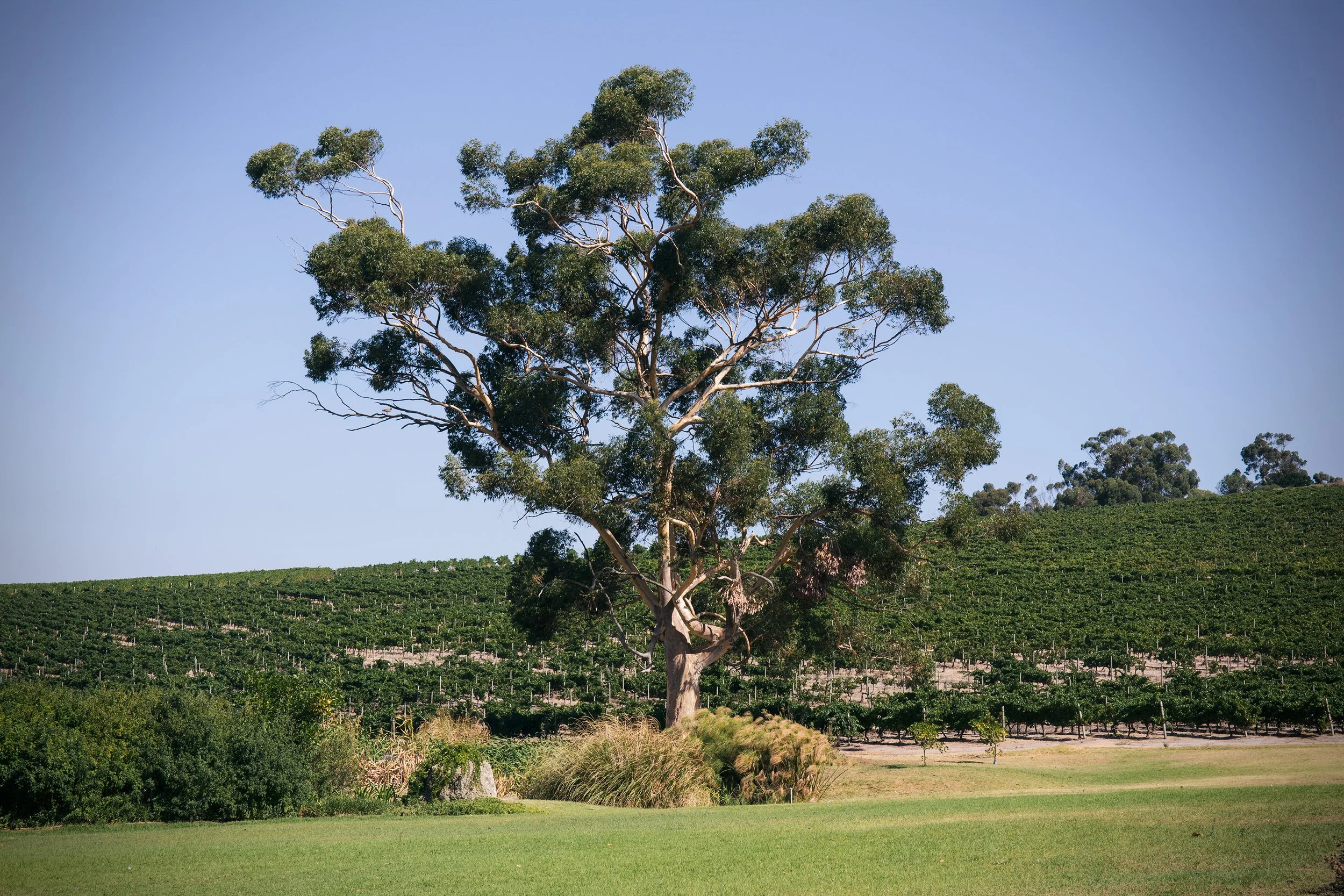
Nature
Can create calm
For some, these events are experienced first-hand through evacuation, loss of homes, businesses, livestock, pets, and treasured possessions. For others, the constant media coverage and social media images of devastation can be just as overwhelming. Our nervous systems are repeatedly exposed to scenes of danger, loss, and human suffering.
Trauma does not always come from a single event. It can build over time through repeated exposure to threat, uncertainty, and helplessness.
Post Traumatic Stress Disorder can develop after experiencing or witnessing events such as:
· Bushfires, floods, cyclones, and other natural disasters
· Serious accidents
· Violence or crime
· Medical emergencies
· Sudden loss of loved ones
· Military service
· Prolonged periods of stress and fear.

You may notice symptoms such as:
· Intense shock, fear, or confusion
· Feeling numb, disconnected, or emotionally flat
· Intrusive memories, flashbacks, or nightmares
· Heightened anxiety or panic attacks
· Being constantly on edge or easily startled
· Difficulty sleeping
· Changes in mood, including sadness or irritability
· Using alcohol or other substances to cope.
These reactions are not signs of weakness. They are the nervous system’s natural response to overwhelming events.
In today’s world, trauma is not limited to those directly involved. With 24-hour news cycles and constant online updates, we are regularly exposed to distressing images and stories from across the country and around the globe. The brain often responds as if the danger is happening right now, even when we are physically safe.
This can keep the body locked in a state of high alert.
The brain’s built-in survival system is known as the fight, flight, or freeze response. It is designed to protect us from danger. With PTSD, the traumatic experience has not been fully processed, and the nervous system continues to react as though the threat is still present.
As a result, reminders such as heavy rain, the smell of smoke, emergency sirens, weather warnings, or even news reports can trigger intense emotional and physical reactions.
Symptoms can vary in intensity. At times you may feel anxious, restless, and hyper-vigilant. At other times you may feel exhausted, withdrawn, or emotionally shut down. These waves can come and go, sometimes without obvious cause.
The important thing to understand is that trauma is treatable, and support is available.
Hypnotherapy is a gentle, effective, and drug-free approach that helps calm the nervous system and supports the brain in safely processing unresolved trauma. It works by guiding the mind into a deeply relaxed state, allowing new, healthier responses to be learned and old survival patterns to settle.
Hypnotherapy can help to:
· Reduce anxiety and panic
· Calm the fight, flight, and freeze response
· Lessen intrusive memories and emotional triggers
· Improve sleep and relaxation
· Restore a sense of safety and control
· Build emotional resilience and confidence.
Sessions are tailored to your individual experiences and needs. You will learn practical coping tools, grounding techniques, and ways to regulate your nervous system so that reminders of past events no longer overwhelm your present.
If you or someone you love has been affected by natural disasters, prolonged stress, or ongoing uncertainty, you do not have to face it alone.
Healing is possible. Calm can return. And your mind and body can learn that it is safe again.
Bathurst Hypnotherapy prides itself on empathy, compassion, honesty, integrity, confidentiality and respect for our clients. I’m here to support you every step of the way so you can live the life you want! Schedule a free 30-minute discovery consultation if you want to explore how hypnotherapy can support your journey.

-
Natural disasters such as bushfires, floods, storms, and cyclones can overwhelm the nervous system, especially when they involve evacuation, loss of homes, businesses, pets, or a sense of safety. Trauma can develop not only from direct exposure, but also from repeated exposure to threat, uncertainty, and helplessness over time. For some people, this ongoing stress can lead to Post Traumatic Stress Disorder (PTSD), where the brain continues to respond as if danger is still present, even after the event has passed.
-
Yes. Constant exposure to distressing news and social media images can activate the brain’s survival response, even if you are not physically in danger. The nervous system may respond as though the threat is happening right now, keeping the body in a state of high alert. This can contribute to anxiety, sleep disturbances, emotional numbness, and other trauma-related symptoms, particularly during prolonged periods of crisis or uncertainty.
-
Common trauma symptoms include shock, fear, confusion, intrusive memories, nightmares, heightened anxiety, panic attacks, difficulty sleeping, irritability, emotional numbness, and feeling constantly on edge. Some people may also withdraw socially or use alcohol or other substances to cope. These reactions are not signs of weakness, they are the nervous system’s natural response to overwhelming experiences.
-
After trauma, the brain’s fight, flight, or freeze response can remain activated because the experience has not been fully processed. Sensory reminders such as the smell of smoke, heavy rain, emergency sirens, weather warnings, or news reports can signal danger to the nervous system. Even when you are safe, the body may react with intense emotional or physical responses because it believes the threat is still present.
-
Hypnotherapy is a gentle, drug-free approach that helps calm the nervous system and supports the brain in safely processing unresolved trauma. By guiding the mind into a deeply relaxed state, hypnotherapy allows old survival patterns to settle and healthier responses to develop. It can reduce anxiety and panic, ease emotional triggers, improve sleep, restore a sense of safety, and help build emotional resilience. Sessions are tailored to your individual experiences and focus on practical coping and grounding tools for everyday life.
